


In today’s competitive and environmentally conscious business climate, industries are under pressure to reduce waste, cut costs, and operate sustainably. Metal recycling companies in Malaysia play a pivotal role in this transition by helping businesses recover valuable metals from scrap, production residues, and electronic waste. These services not only improve bottom lines but also support compliance with Malaysia’s environmental regulations and scheduled waste standards.
By transforming what was once considered waste into usable materials, recycling companies enable a circular economy that benefits both industry and the environment.
Why Metal Recycling Is Essential
The demand for metals such as copper, nickel, silver, and gold continues to grow—especially in electronics, automotive, and high-tech sectors. Recycling these materials rather than sourcing them through mining offers:
- Lower operational costs
- Reduced environmental impact
- Compliance with DOE and ESG standards
- Minimised landfill use and resource depletion
Recycling is no longer optional—it’s a strategic necessity for forward-thinking businesses.
Common Metal Waste Recycled
Metal recycling companies in Malaysia handle a wide range of materials from various industries, including:
- Electronic waste – PCBs, connectors, chips
- Plating sludge and spent chemical baths
- Catalysts and contaminated scrap
- Used industrial equipment and offcuts
- Obsolete consumer goods with metal content
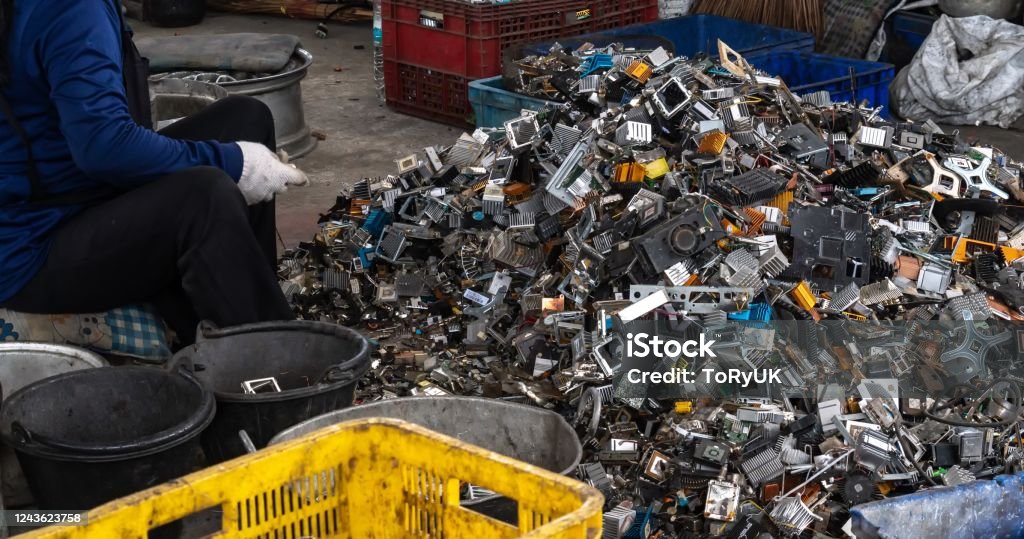
Even seemingly insignificant scrap can yield high recovery value when processed correctly.
Recycling Methods in Use
Modern recycling facilities use hydrometallurgical processes to recover metals. These chemical-based techniques are effective for complex and low-grade waste streams.
| Method | Application | Key Benefit |
| Leaching | Breaks down metals from solid waste | Ideal for low-concentration materials |
| Solvent Extraction | Isolates specific metal ions | Enables high-purity output |
| Electro-winning | Recovers metals in pure form | Market-ready recovery |
| Precipitation | Converts metals into solid recoverable form | Cost-effective and scalable |
These techniques are preferred for their selectivity, safety, and lower environmental footprint compared to traditional smelting.
Industries That Depend on Metal Recycling
Many industries in Malaysia benefit from regular metal recycling services:
- Electronics and semiconductor manufacturing
- Automotive and aerospace production
- Jewellery and metal finishing
- Chemical and petrochemical sectors
- Construction and infrastructure projects
These sectors generate complex waste types that require expert handling and recovery.
What to Look for in a Recycling Partner
Choosing a reliable recycling provider is critical. Key traits to look for include:
- DOE licensing and environmental compliance
- Lab analysis for accurate metal content detection
- Secure transportation and handling systems
- Clear documentation and recovery reports
- Track record with your specific industry
A trusted recycling partner ensures value recovery is maximised while risks and liabilities are minimised.
Conclusion
Metal recycling companies in Malaysia are more than just waste handlers—they’re key enablers of sustainable and cost-effective industrial practices. Through advanced recovery methods and regulatory expertise, these companies help industries reclaim value from waste while supporting long-term environmental goals.
By working with an experienced and compliant recycler, businesses can align operational efficiency with corporate responsibility—an essential combination for future growth.
